Conceptual artwork showing extended reality used in education
Innovation Portfolio

Begin by understanding the learner, and build a clearer future identity.

GENIUS diagnoses learner level, analyses performance, and builds a personalised path. AI, 3D, AR, and VR work with learning methodologies throughout the journey, while GFI supports a clearer academic and career direction.

02flagship products and intellectual property
04enabling technology layers
01learning and operating methodology
From learning to future identity

More personalised learning,
clearer direction.

GENIUS comes first to understand performance and build the learner's path. Technology and methodologies then support the experience, while GFI completes the sequence by informing future identity and academic and career decisions.

01 / The journey begins

GENIUS understands the learner, then builds the path.

01Understand the learner and build the path
Official GENIUS logoRegistered trademark
Intelligent learning ecosystem

GENIUS

GENIUS diagnoses learner level, collects and analyses performance data, then builds a more personalised path, recommends suitable learning and practice, and measures progress.

  • Learner-level diagnosis
  • Performance-data analysis
  • Personalised paths and recommendations
  • Progress monitoring and measurement
02–03 / Enabling layers and methodologies

Technology that serves the journey, rather than replacing it.

AI, 3D, AR, and VR act as enabling layers for analysis, interaction, and simulation. Learning methodologies connect those capabilities with purpose, content, assessment, and implementation quality.

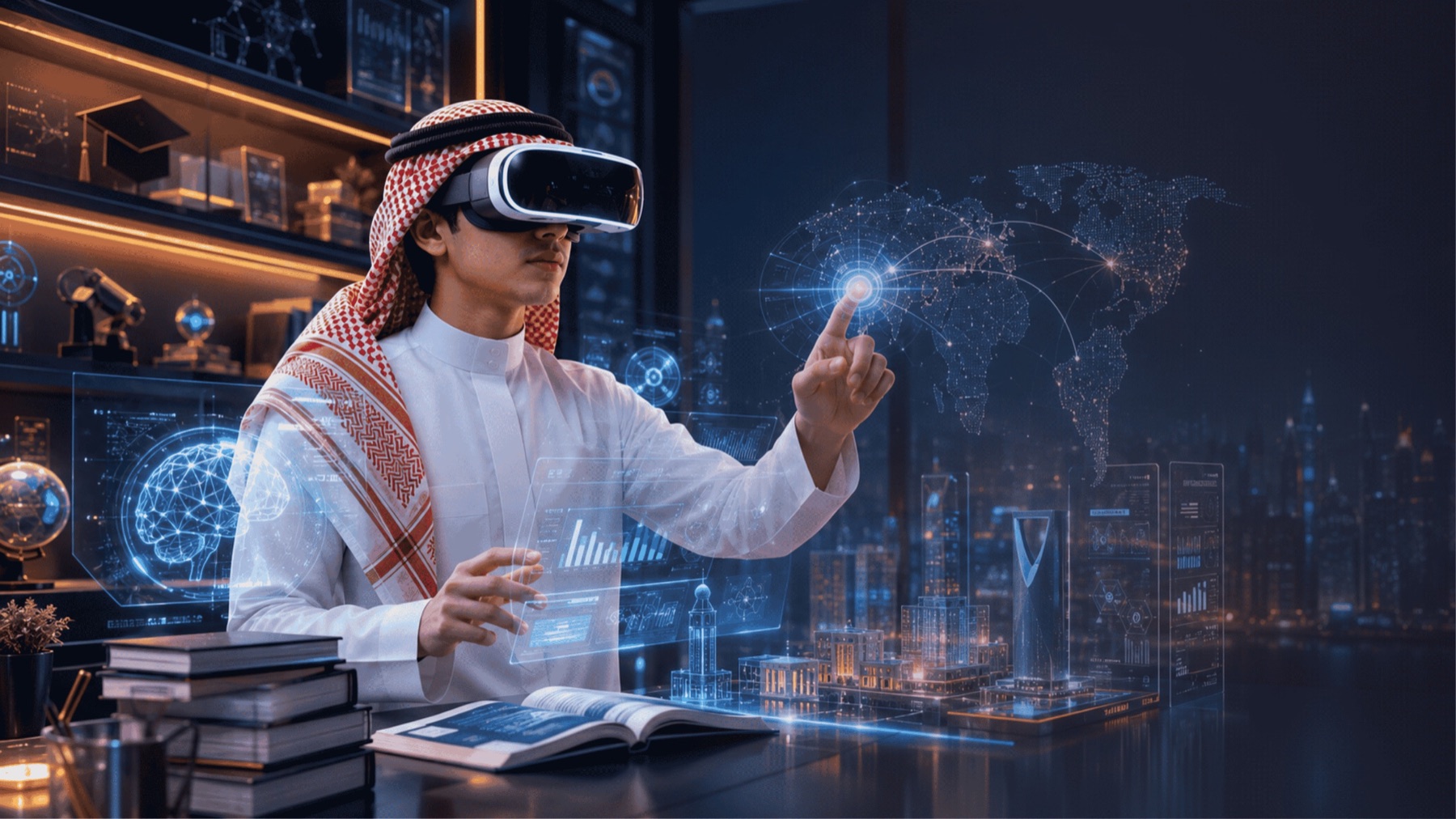
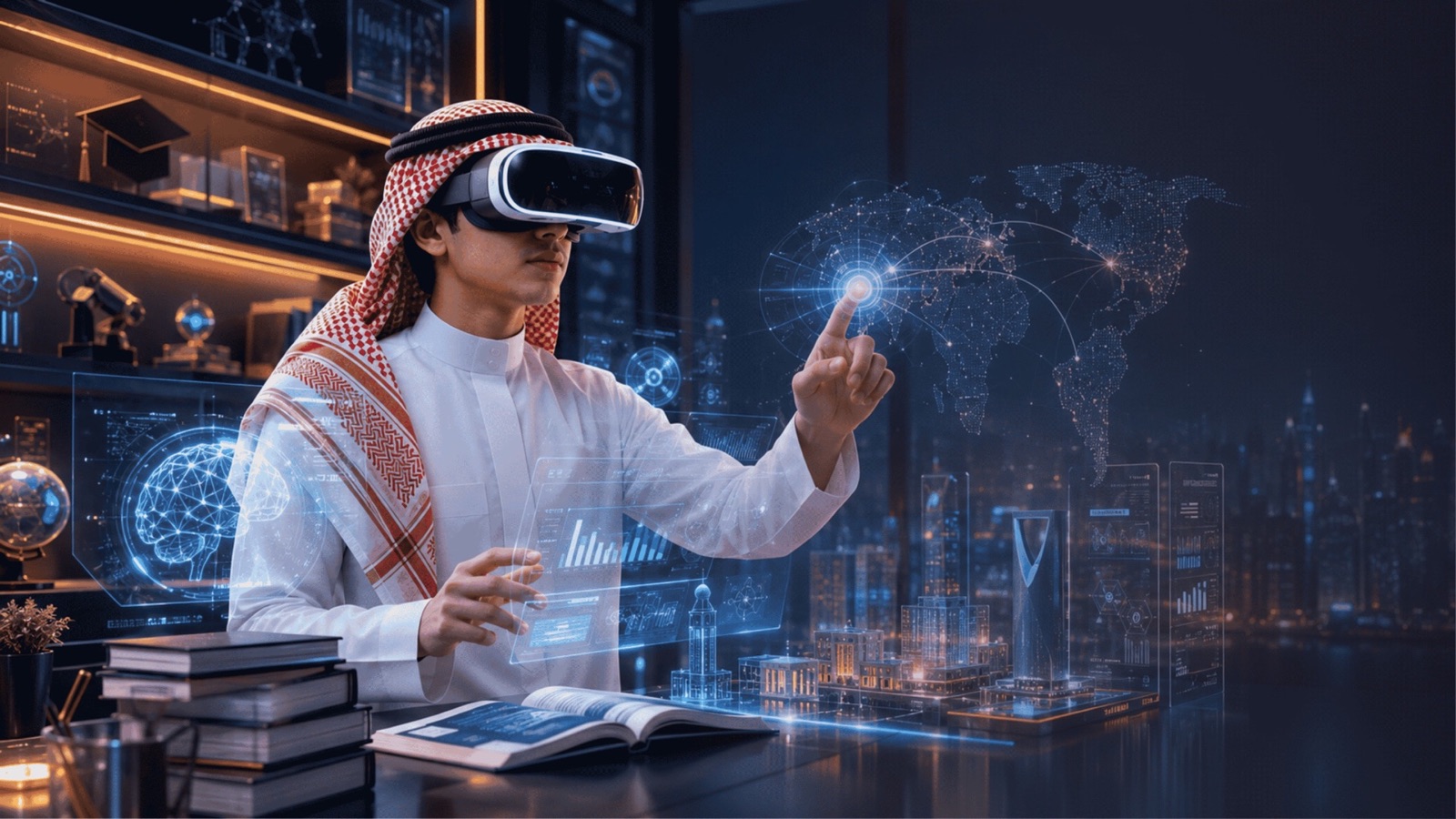
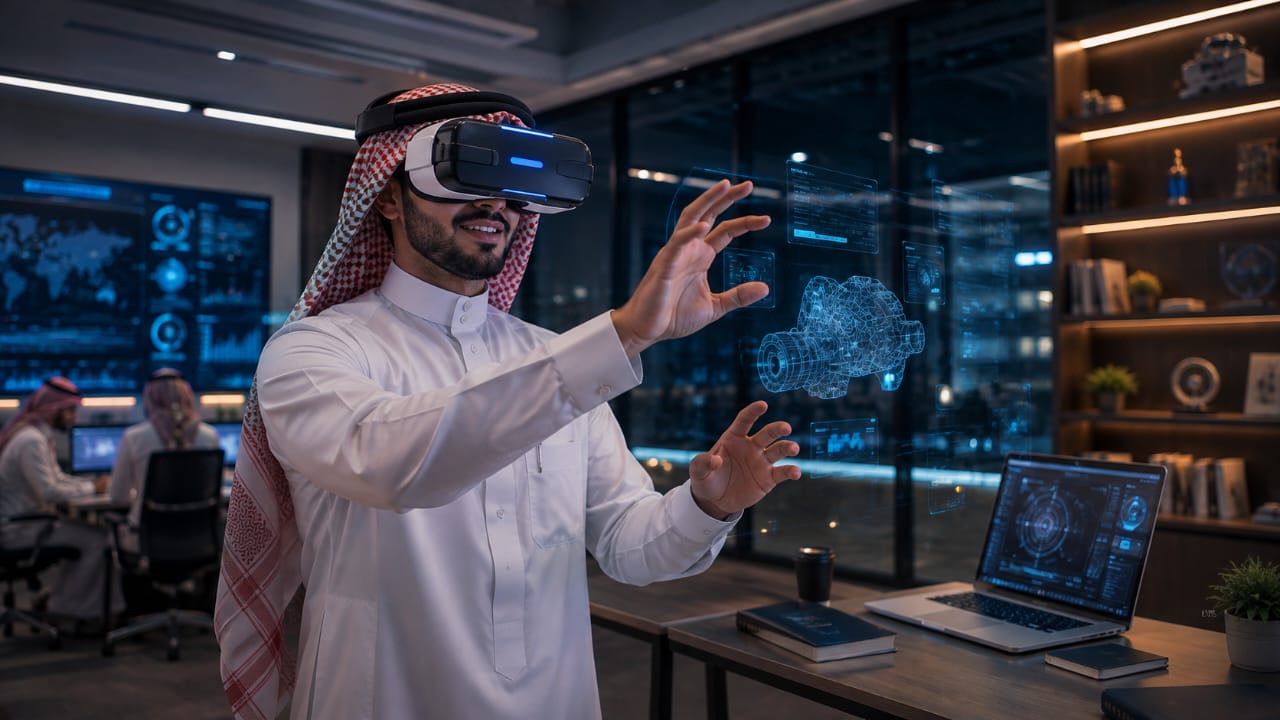
Conceptual scene of extended reality in a learning experience
AI · 3D · AR · VRTechnology layers selected for the learning purpose.

A conceptual image illustrating extended reality and digital interaction within a learning experience.

02

Enabling technology layers

AI, 3D, AR, and VR are selected according to the product and learning purpose—not treated as sequential steps.

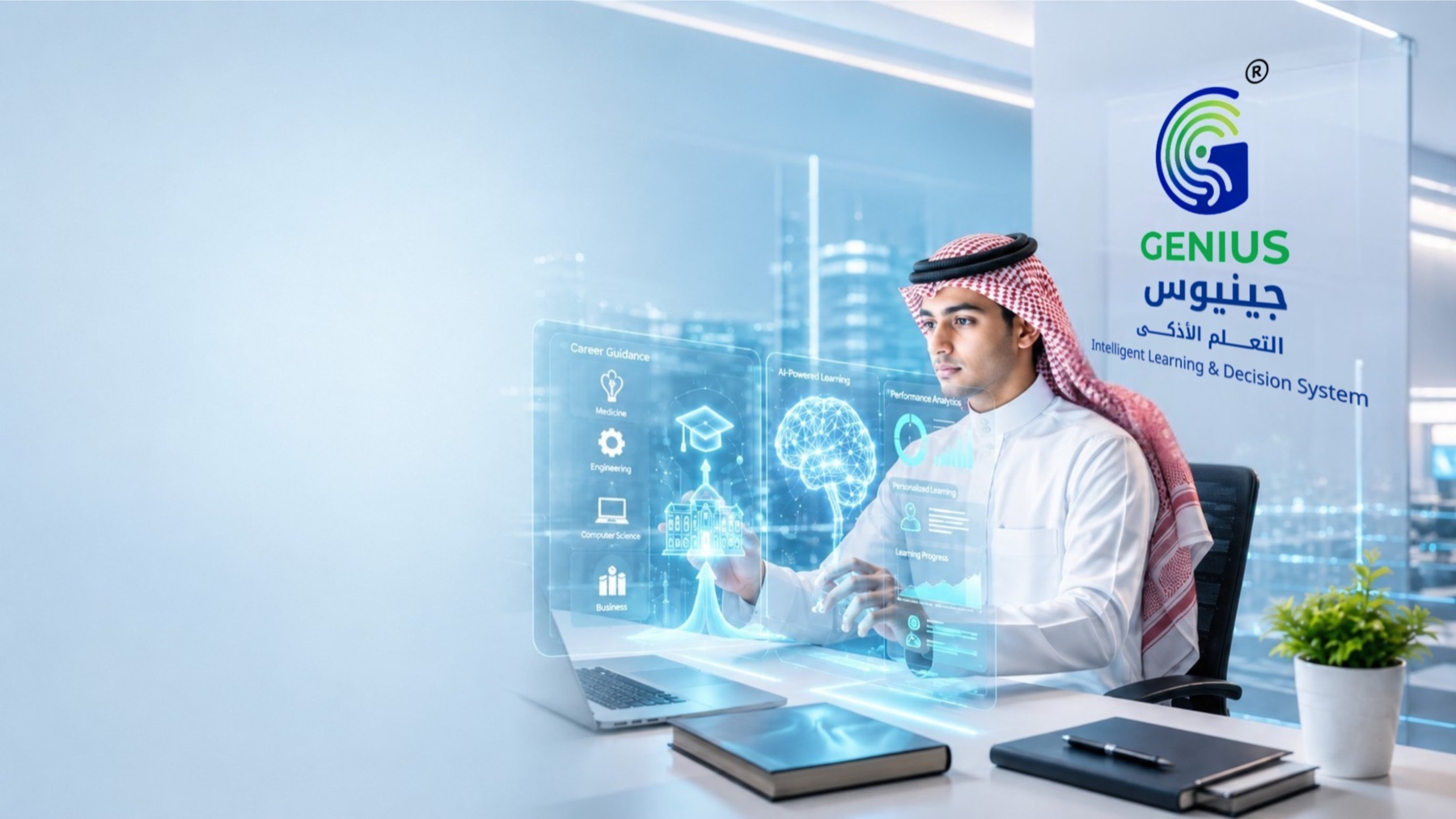
Conceptual image of AI and learning analytics used within an educational experience
02.1AI
Data-informed analysis and personalisation

AI and Learning Analytics

AI analyses performance and needs data to support tailored pathways, recommendations, and practice—while keeping educational decisions aligned with the goals and standards of the experience.

  • Performance and needs analysis
  • More personalised pathways and recommendations
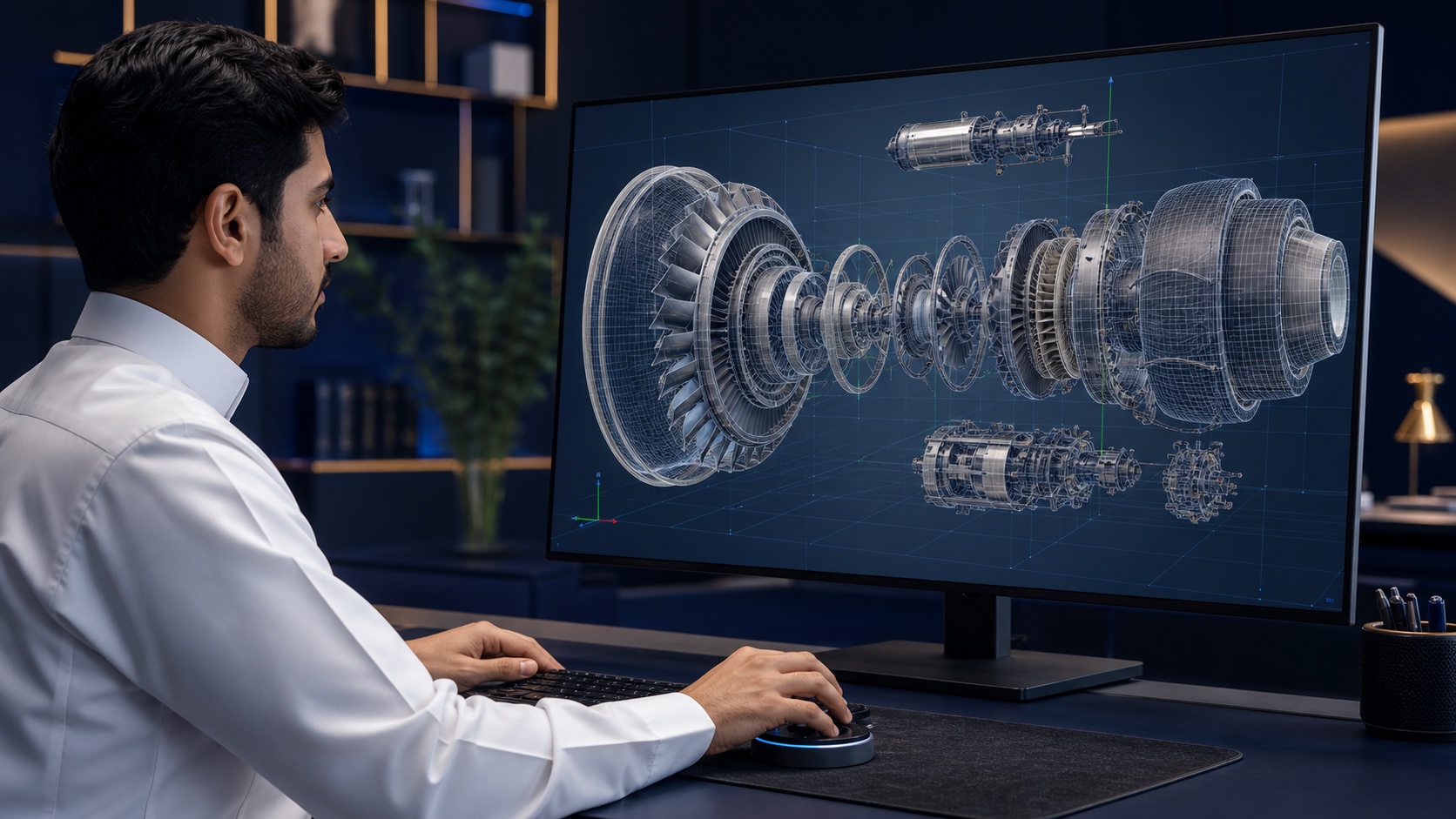
Conceptual image of a three-dimensional model in an interactive learning experience
02.23D
Visualising complex concepts

3D Models and Content

Three-dimensional content turns complex concepts, devices, and environments into explorable models—making ideas easier to understand and helping learners move from abstract explanation to application.

  • Exploration of complex models
  • Clearer representation of abstract concepts
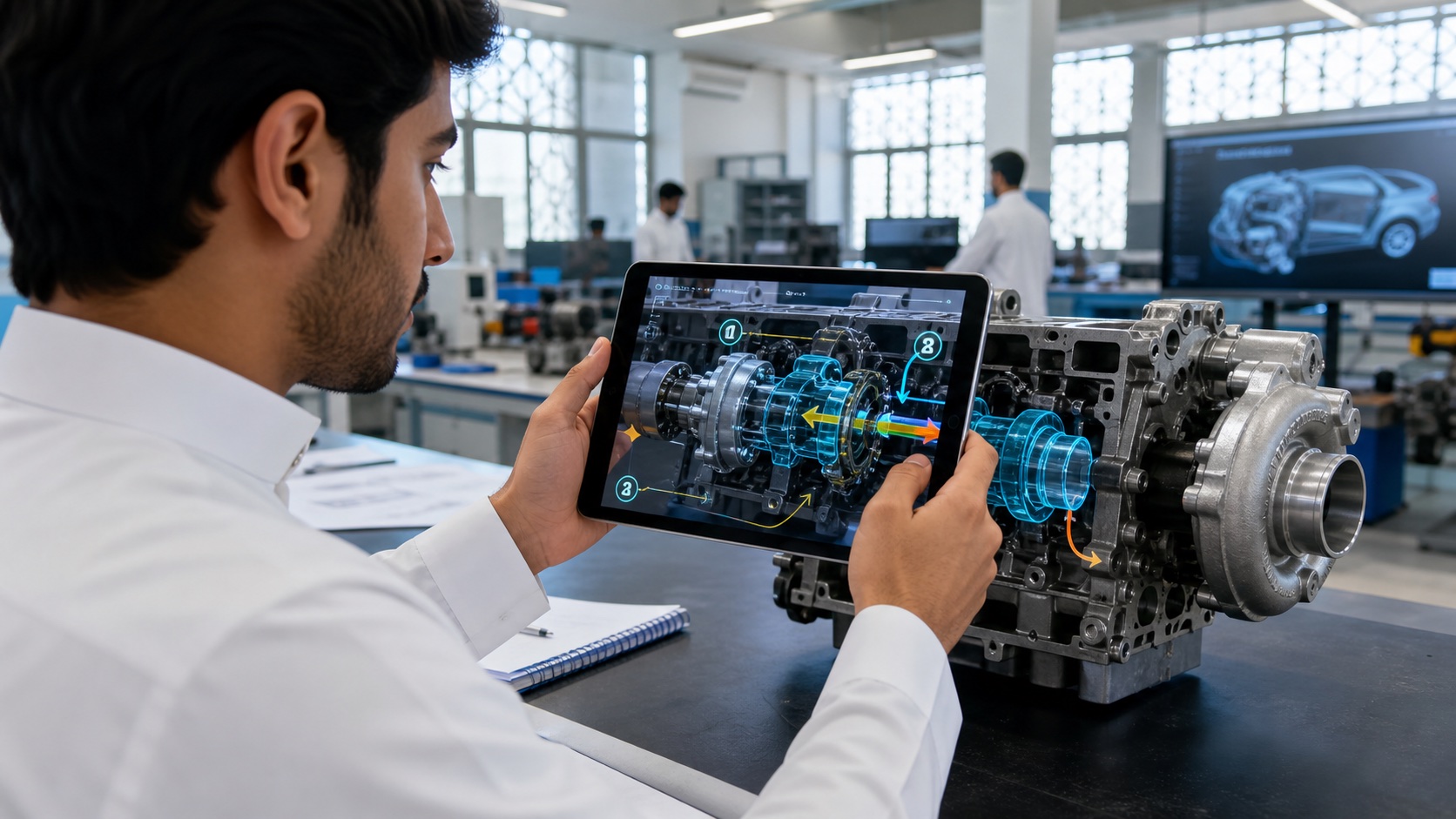
Conceptual image of augmented reality connecting digital content with the real environment
02.3AR
Digital interaction in real-world context

Augmented Reality

AR adds interactive digital layers to the real environment, connecting content with the learning situation and delivering guidance and information at the moment of practice.

  • Digital content in the real environment
  • Interactive guidance during practice
Conceptual image of a learner in an immersive virtual-reality learning environment
02.4VR
Safe, repeatable simulation

Virtual Reality and Immersive Learning

VR places learners inside immersive simulated environments for practice, experimentation, and scenario repetition—especially where real-world delivery is difficult in a conventional classroom or laboratory.

  • Safe educational simulation
  • Practice for complex scenarios
03

Learning and design methodologies

Principles and models that connect technology with learning purpose and implementation quality.

03Learning and Design Methodologies

LEARNING METHODOLOGIES

Educational and operational methodologies that connect technology, content, and assessment, supporting solution implementation, development, and responsible scaling.

04 / Direction and future identity

GFI turns insight, into clearer decisions.

04Future identity and direction
Official GFI logoRegistered trademark
Genius Future Identity

GFI

GFI uses insight into the individual to measure abilities, interests, and traits, building a clearer view of future identity and supporting academic and career decisions.

  • Abilities and interests
  • Traits and aptitudes
  • Future identity profile
  • Academic and career decision support
From learning to direction

An integrated journey, enabled by technology.

The experience begins with GENIUS, which understands learner performance and builds a personalised learning path. Technology and methodologies operate within that journey, while GFI supports a clearer academic and career direction.

OUTCOMEPersonalised learning and clearer identity

A path informed by learner performance, an experience supported by the right technologies, and more informed academic and career decisions.

01 / UNDERSTAND THE LEARNER & BUILD THE PATHGENIUS

Diagnoses level, analyses performance, recommends content and practice, and monitors progress.

02 / ENABLING LAYERSAI · 3D · AR · VR

Support analysis, personalisation, interaction, and simulation according to the experience goal.

03 / APPLICATION METHODOLOGIESLEARNING METHODOLOGIES

Connect technology with content, assessment, implementation, and impact measurement.

04 / CLARIFY THE DIRECTIONGFI

Measures abilities, interests, and traits to support academic and career decisions.

The core sequence begins with GENIUS for personalised learning and ends with GFI for clearer direction; technologies and methodologies support the journey between them.

Start with the challenge

Innovation creates greater value when it works within an ecosystem.

See how the innovation portfolio connects with platforms, content, and technologies across the Success Standard ecosystem.